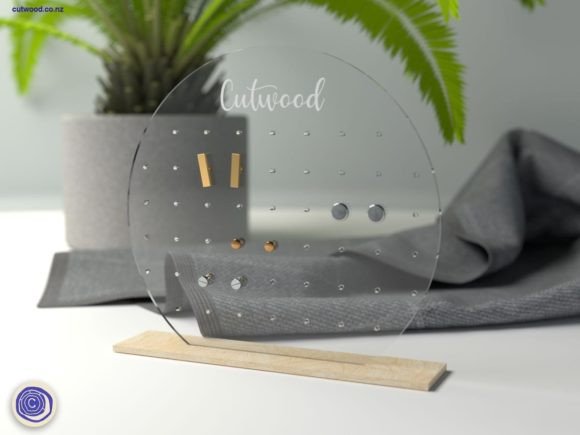
Circle Earring Display Embroidery Review
As a designer who spends more time than I care to admit staring at stitch charts and testing thread tension, I have learned to trust my gut before I ever load an embroidery file into the machine. When I first pulled up the digital preview for the Circle Earring Display, I didn’t just see a shape; I saw a potential bestseller for a boutique shop or a thoughtful addition to a handmade gift collection. But does it hold up when the needle starts moving? That is the only question that matters.
This review isn’t about marketing fluff. It is about practical design judgment. I am looking at this piece through the lens of someone who needs reliable assets for real projects—whether that means fulfilling a rush order for a wedding party, creating a unique listing on Etsy, or designing a custom apparel line for a small business. Here is how the Circle Earring Display performs in the wild.
First Impressions: Mood and Visual Personality
The immediate takeaway from the Circle Earring Display is its clean, geometric confidence. In a market saturated with overly complex florals and cluttered script fonts, this design offers a breath of fresh air. The circular motif suggests unity, wholeness, and focus, which translates beautifully into embroidery. It feels modern yet timeless, striking a balance that appeals to a wide demographic.
Visually, the layout is balanced. It doesn’t scream for attention but rather invites the viewer to look closer. This subtlety is crucial for high-end custom apparel where you want the quality of the work to speak for itself. Whether you are planning to use this on a minimalist tote bag or a sophisticated baby onesie, the design carries itself well. It has a "quiet luxury" vibe that fits perfectly with current trends in handmade product branding.
Real-World Application: Where Does It Fit?
I put the Circle Earring Display through its paces mentally by visualizing it across several common embroidery project categories. Here is where I think it shines brightest:
- Tote Bag Design: This is perhaps the strongest candidate. A centered or pocket-placed circle on a canvas tote creates a professional, branded look. It works exceptionally well as a logo placement or a standalone statement piece for craft fair vendors.
- Baby Embroidery: The softness of the circular shape makes it ideal for nursery decor or baby gifts. On a muslin blanket or a hooded towel, it adds a touch of elegance without being gender-specific or overly childish.
- Sweatshirt Embroidery: For those cozy, oversized knits, a smaller, refined version of this design on the chest or cuff can elevate a basic garment into a fashion item. It pairs well with neutral tones like cream, grey, or navy.
- Embroidered Patch: If you are making patches for jackets or backpacks, the distinct border of the circle provides a natural frame. It looks sharp and defined, even on textured fabrics like denim.
It also serves as excellent design assets for digital sellers. If you create printable mockups or digital planners, this vector-friendly concept translates easily into digital formats, allowing you to reach customers who prefer digital downloads over physical goods.
Technical Performance and Stitch Clarity
When evaluating any machine embroidery design, clarity is king. The Circle Earring Display relies on strong lines and solid fills, which generally play well with standard satin stitches and fill stitches. However, the success of this design hinges on execution.
If the design includes fine details within the circle, you must be mindful of your stitch density. Too much density on a small hoop size can lead to puckering, especially on lighter fabrics. Conversely, if the design is too sparse, it may lack the visual weight needed to stand out on dark backgrounds. I recommend checking the internal structure of the file to ensure that any intricate elements are spaced adequately for clean stitching.
The contrast between thread colors and fabric texture is vital. On a smooth cotton, the design will pop with crisp edges. On a heathered or textured fabric, such as a marled sweatshirt, the definition might soften slightly. This isn’t necessarily a negative—it can add a rustic, organic feel—but it is something to consider when selecting materials for your finished product.
Where to Use It Carefully
While versatile, there are scenarios where caution is advised:
- Small Hoop Sizes: If the design exceeds the dimensions of a 4x4 hoop, ensure your machine can handle the larger area without losing registration. Tightening the stabilizer is non-negotiable here.
- Stretchy Fabrics: Knits require a strong cut-away stabilizer to prevent distortion. Without proper support, the circular shape may warp during stitching.
- Detailed Corners: If the design incorporates sharp angles outside the circle, test these areas first. Soft curves are forgiving; sharp points can break needles or threads if not programmed correctly.
- Frequent Washing: For items like aprons or kitchen towels that undergo heavy laundering, verify that the thread type (e.g., polyester vs. rayon) matches the durability needs of the fabric.
Impact on Brand and Customer Trust
In the world of Etsy seller listings and small shop product creation, presentation is everything. A well-executed Circle Earring Display signals professionalism. It tells the buyer that you pay attention to detail and value quality. This perception directly impacts customer trust and willingness to pay premium prices.
Furthermore, the design’s versatility supports brand consistency. You can use variations of this circle motif across different products—apparel, home goods, accessories—creating a cohesive visual identity. This repetition builds recognition, turning casual buyers into loyal fans. When customers see your signature style repeated with high-quality execution, they are more likely to leave positive reviews and recommend your craft business to others.
Practical Designer Notes Before You Stitch
Before you commit to a full production run, follow these essential steps to ensure the Circle Earring Display meets your standards:
- Test on Scrap Fabric: Always stitch a sample on the exact fabric you plan to use. This reveals issues with tension, stability, and color contrast that aren’t visible on screen.
- Check Thread Colors: Compare your chosen thread palette against the fabric in natural light. Artificial lighting can skew color perception, leading to disappointing results.
- Review Stabilizer Choice: Match your stabilizer to the fabric weight. Light fabrics need lightweight tear-away or wash-away, while heavy denims require sturdy cut-away backing.
- Confirm Licensing: Since this is a digital embroidery file, verify the commercial use rights. Ensure you are allowed to sell finished items made from this design, especially if you are scaling your commercial embroidery operations.
- Black and White Mockup: Convert the design to black and white to check its silhouette. If it loses impact without color, the underlying structure may need adjustment.
Final Verdict
The Circle Earring Display is a solid, versatile choice for designers looking to add a touch of modern elegance to their portfolio. Its clean lines and adaptable shape make it suitable for a wide range of applications, from personal gifts to commercial merchandise. By paying attention to stitch density, fabric choice, and proper stabilization, you can transform this digital asset into a stunning handmade product that resonates with customers. It is a smart addition to any embroidery project workflow, offering both aesthetic appeal and practical utility.