Plate Display Stand Book Photo Holder: Laser Cutting Stands Review
As a brand designer who has spent years helping local businesses translate their physical products into cohesive visual identities, I am always looking for tools that bridge the gap between digital design and tangible reality. Recently, I evaluated a specific asset titled Plate Display Stand Book Photo Holder to see if it could serve as more than just a functional item. The goal was to determine if this graphic design asset could enhance small business branding, improve packaging design aesthetics, and elevate marketing visuals for real-world applications.
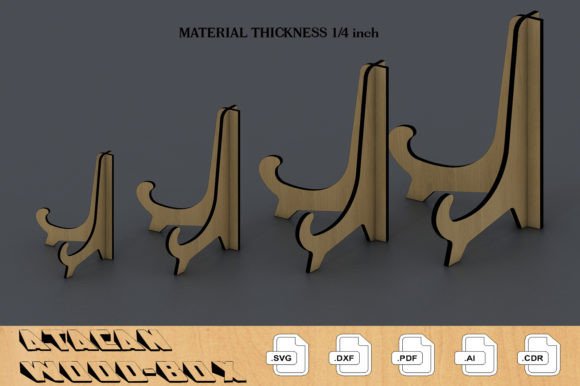
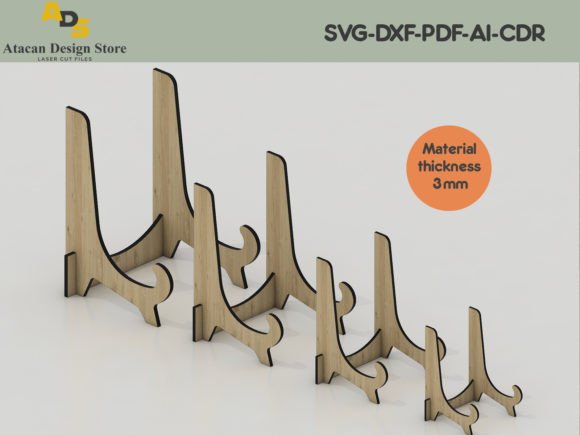
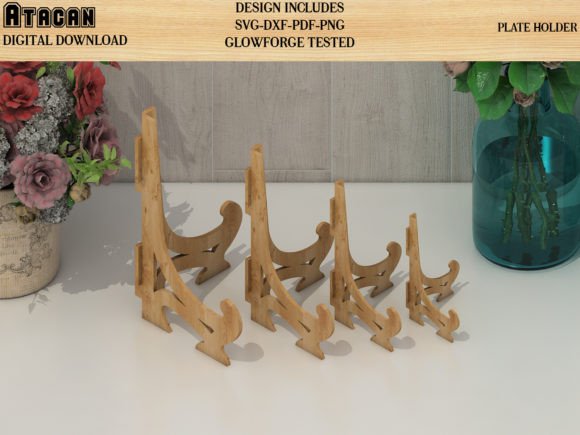
The initial impression of the Plate Display Stand Book Photo Holder is one of structured versatility. While its primary function is utilitarian—holding plates, books, or photos—the aesthetic potential lies in how it frames your product. For a local bakery or a handmade soap shop, this stand does not just hold an item; it presents it. It creates a mood of organized elegance. Depending on the material you choose for laser cutting, such as natural wood or sleek acrylic, the asset can suggest different brand personalities. A light birch wood finish leans towards rustic, organic, and handmade vibes, perfect for artisanal goods. Conversely, a dark stained wood or black acrylic pushes the brand towards modern, sophisticated, and elegant territories. This flexibility makes it a valuable component in any brand identity toolkit.
Elevating Product Presentation with Physical Design Assets
In the realm of local business marketing, first impressions are everything. When a customer picks up a product, the packaging and display context dictate perceived value. Using the Plate Display Stand Book Photo Holder allows designers to create a stronger first impression by giving products a dedicated stage. Instead of items lying flat or leaning haphazardly, they are elevated and highlighted.
This approach supports better product recognition and clearer visual hierarchy. By isolating a product against the clean lines of the stand, you guide the customer’s eye directly to the logo or the product itself. This is particularly effective for product labels and packaging accents. For instance, a boutique owner selling ceramic mugs can use the stand to display the mug alongside a branded hang tag. The stand acts as a hero graphic, ensuring that the visual hierarchy remains intact even in crowded retail environments. It improves customer trust by signaling that attention to detail extends from the digital logo to the physical unboxing experience.
Integrating the Asset into Real Business Projects
I tested this concept with a fictional but realistic scenario: a local candle brand launching a seasonal line. The challenge was to make the candles feel premium without increasing production costs significantly. The solution involved using the Plate Display Stand Book Photo Holder as part of the in-store display and social media content strategy.
Here is how the asset integrated into various touchpoints:
- Packaging Design: The stand was used as a structural element within the box, ensuring the candle arrived upright and protected, while also serving as an immediate display piece upon opening.
- Social Media Graphics: High-quality photos of the candles on the stand provided consistent social media graphics that looked professional and polished. These images were repurposed for website banners and promotional ads.
- Printable Inserts: Thank-you cards were designed to match the geometric simplicity of the stand, creating a unified brand identity across all design assets.
- Product Mockups: Before committing to mass production, we created digital product mockups to visualize how different label colors would look against the stand’s material. This saved time and resources.
This holistic approach ensures that every element, from the logo design to the physical display, tells the same story. It transforms a simple transaction into an emotional connection, which is crucial for handmade businesses and creative entrepreneurs.
Technical Compatibility and Production Workflow
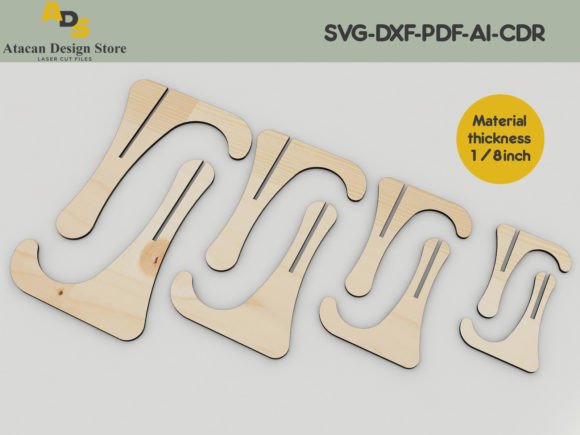
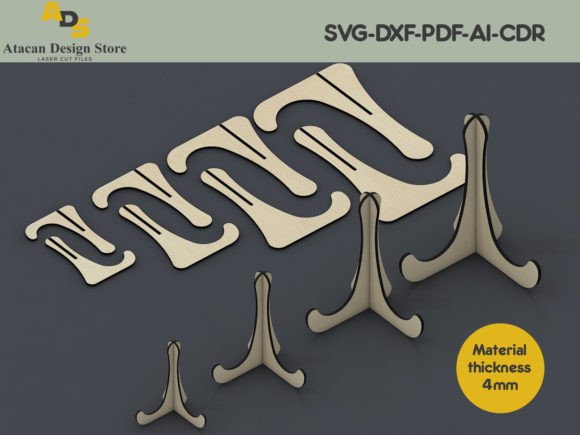
One of the most critical aspects of evaluating a graphic design asset is its usability in production. The Plate Display Stand Book Photo Holder excels here due to its file compatibility. These are designed to fit glowforge laser machines but can be used with all laser machines. Tested using a Glowforge Pro, I found the cut lines precise and the assembly logic sound. These files are ideal for machines using SVG-DXF-PDF-AI-CDR files. You can use these formats to ensure seamless integration with existing vector editability workflows.
For designers working with Canva template users or those who prefer raster editing, the availability of PNG design options with transparency is a significant advantage. However, for commercial design work where scaling is required, the SVG design format is indispensable. It allows you to adjust dimensions without losing quality, which is vital when creating large-format promotional banners or small-scale stickers.
The ability to customize the source files (AI, CDR) means you can tweak the dimensions to fit specific product sizes. Whether you are designing for a standard 8oz jar or a unique sculptural bottle, the asset provides a reliable framework. This adaptability is key for web design and editorial design projects that require consistent visual elements across multiple platforms.
Strategic Placement and Design Caution
While the Plate Display Stand Book Photo Holder is versatile, it is not a universal solution. There are specific contexts where it should be used carefully. For example, in formal corporate branding where minimalism is paramount, the structural presence of the stand might feel too decorative. Similarly, for very small labels or ingredient-heavy layouts, adding another visual element can clutter the design and obscure important legal information.
It is essential to test the asset against low-contrast backgrounds. If the stand color blends too much with the product or the background, it loses its framing effect. Additionally, luxury minimalist brands might find the geometric lines too busy unless customized to be extremely subtle. In these cases, consider using the stand purely as a functional tool rather than a decorative one, or opt for a monochromatic finish that recedes visually.
Practical Designer Notes for Implementation
To get the most out of this asset, follow these practical steps:
- Test on Real Mockups: Always print a prototype and place your actual product on it. Digital previews do not capture texture or scale accurately.
- Check Black and White Usage: Ensure the design holds up in grayscale. This is crucial for print quality checks and cost-effective printing options.
- Preview on Small Labels: Verify that the stand’s details remain visible when scaled down for smaller products.
- Test with Brand Colors: Experiment with different finishes to see how they interact with your brand colors.
- Compare with Competitors: Look at competitor packaging to ensure your use of the stand offers a distinct advantage in shelf appeal.
- Review Vector Editability: Inspect the SVG or AI files to ensure paths are clean and editable.
- Font Pairing: Test the stand’s aesthetic beside serif font, sans serif font, script font, handwritten font, and display font styles to ensure typographic harmony.
- Confirm Commercial Licensing: Before using it for client work, business branding, or physical product sales, double-check the commercial license terms. This protects your professional branding efforts from legal issues.
Ultimately, the Plate Display Stand Book Photo Holder is more than just a holder; it is a tool for storytelling. By integrating it thoughtfully into your small business branding strategy, you can create a memorable customer experience that resonates long after the purchase is made. Whether you are a food business, a boutique store, or a seasonal product campaign organizer, this asset offers a blend of functionality and aesthetic appeal that can elevate your marketing visuals to a new level.