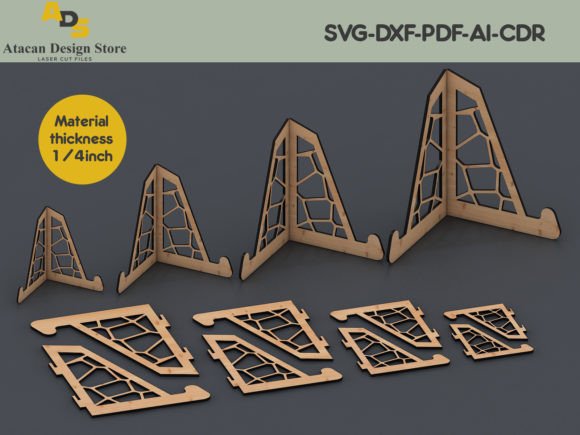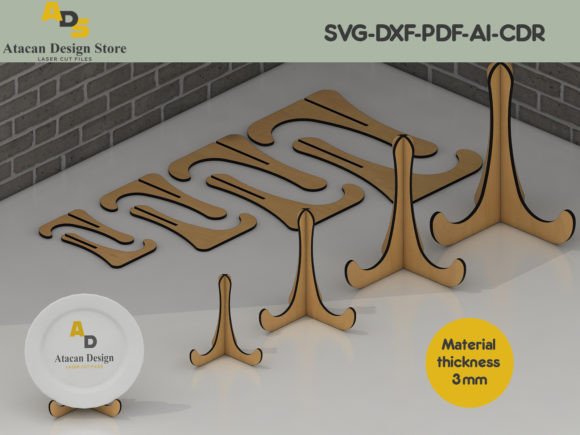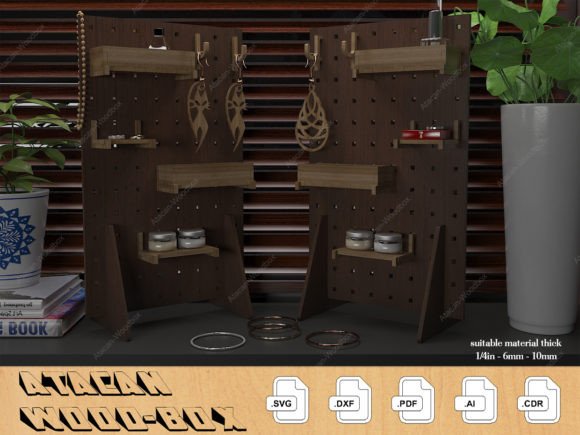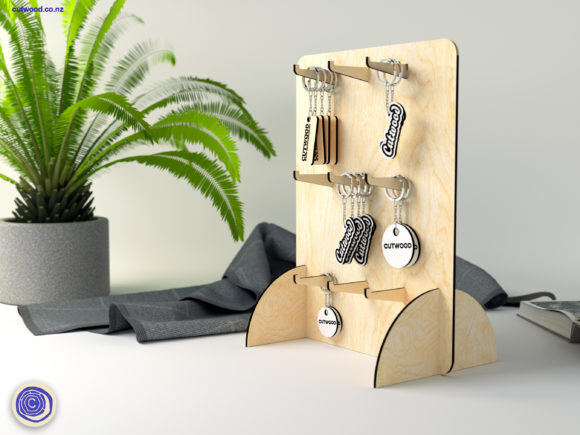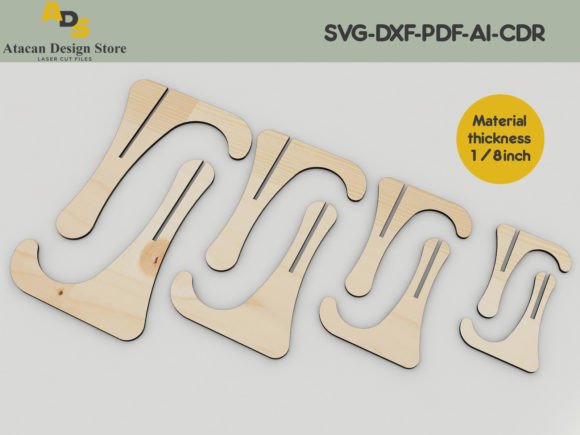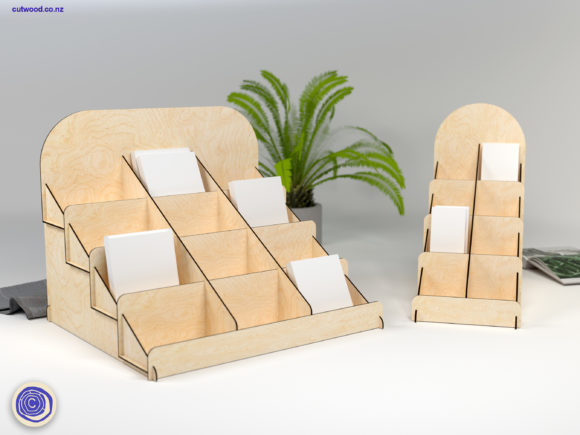
Retail Display Stand: Laser Cutting Stands for Brand Identity
As a brand designer who has spent years helping local businesses refine their visual presence, I often encounter digital assets that promise versatility but deliver mediocrity. However, when I first evaluated the Retail Display Stand, specifically designed as a laser-cutting vector file, I recognized an immediate opportunity for tangible brand elevation. This is not merely a clipart element; it is a structural graphic design asset intended to bridge the gap between digital marketing and physical product presentation. For small business owners, boutique retailers, and handmade sellers, the ability to translate a screen-based design into a physical shelf presence is critical for standing out in a crowded marketplace.
The Mood and Personality of the Asset
Before committing to any design element for a client’s brand identity, I assess its emotional resonance. The Retail Display Stand carries a distinct personality that leans heavily towards modern craftsmanship. Because it is engineered for precision cutting technologies like Glowforge, CNC, plasma cutting, and water jet cutting, the resulting aesthetic is clean, sharp, and intentional. It suggests a brand that values quality, detail, and durability.
This asset works exceptionally well for businesses aiming for a premium yet approachable vibe. Whether you are running a local coffee shop, a skincare boutique, or a handmade soap enterprise, this stand provides a sturdy foundation for your products while adding a layer of sophisticated decoration. It feels organic enough for rustic home decor brands but structured enough for contemporary tech accessories or fashion items. The clean lines inherent in vector-based laser designs ensure that the brand appears professional rather than amateurish, which is essential for building customer trust from the very first touchpoint.
Real-World Application in Local Business Projects
To understand the true value of this asset, imagine we are working on a rebranding project for a local artisanal candle company. The goal is to create a cohesive unboxing experience that encourages social media sharing. Instead of relying solely on printed graphics, we integrate the Retail Display Stand into the packaging strategy. The stand itself becomes a hero graphic, holding the product securely while showcasing the brand’s logo and color palette.
This application extends far beyond simple shelving. In my workflow, I frequently use such assets to enhance various touchpoints:
- Packaging Design: Use the stand structure as a base for box inserts or window displays, allowing customers to see the product clearly while reinforcing brand aesthetics.
- Product Labels: While the stand is structural, its geometric patterns can be extracted to create intricate label borders or hang tags that complement the main packaging.
- Promotional Materials: Create eye-catching flyers or posters that feature the stand holding a best-selling item, providing a realistic context for how the product looks in use.
- Social Media Graphics: Develop high-quality product mockups by placing digital renders of your items into the stand, ensuring consistency across Instagram feeds and website banners.
- In-Store Visuals: For brick-and-mortar boutiques, these stands serve as functional merchandising tools that improve shelf appeal and guide customer eyes to key products.
Enhancing Business Presentation and Trust
Investing in thoughtful design assets directly impacts how consumers perceive your brand. A well-designed retail display solution supports stronger first impressions by organizing products logically and aesthetically. It improves visual hierarchy, ensuring that your most important message—whether it’s a new arrival or a seasonal offer—is seen immediately. Furthermore, consistent use of branded elements like custom stands contributes to a more polished marketing visuals strategy, making your business appear established and reliable.
When customers interact with a brand that pays attention to details like packaging and display, they feel a stronger emotional connection. This leads to better product recognition and increased likelihood of repeat purchases. For food businesses and beverage companies, where hygiene and presentation are paramount, a clean, precise laser-cut stand offers a sanitary and elegant way to present samples or retail units.
Strategic Placement and Compatibility
Not every design element fits every context. The Retail Display Stand excels in environments where physical interaction is possible. It is ideal for trade shows, farmers markets, pop-up shops, and retail counters. However, there are specific scenarios where caution is advised. For formal corporate branding that demands strict minimalism, this asset might introduce too much decorative noise. Similarly, on very small labels or ingredient-heavy layouts, the complexity of a laser-cut design could compete with necessary text, disrupting the visual hierarchy.
It is crucial to avoid using this asset on low-contrast backgrounds where the cut lines may become indistinct. Luxury minimalist brands should test carefully to ensure the stand enhances rather than overwhelms their serene aesthetic. Always prioritize clarity and legibility over decoration, especially in areas designated for legal information or pricing.
Practical Designer Notes for Implementation
As professionals, we must verify the technical integrity of any design asset before integrating it into commercial workflows. Here are essential steps to ensure the Retail Display Stand meets your brand standards:
- Format Verification: Confirm compatibility with your production equipment. This asset typically includes formats such as AI, DXF, SVG, and EPS, making it compatible with most vector editing software and laser cutting machines. Ensure your team has access to these files for seamless editing.
- Mockup Testing: Never rely solely on digital previews. Print the design at actual size and test it on real materials. Check how the cuts hold up under stress and how the material interacts with light and shadow.
- Color and Contrast: Preview the design in black and white to check for balance. Then, apply your brand colors to ensure sufficient contrast against the background material. Test with both dark and light substrates to see how the negative space behaves.
- Typography Pairing: Experiment with different font styles alongside the stand. Compare serif fonts for elegance, sans-serif fonts for modernity, script fonts for a personal touch, and handwritten fonts for a casual vibe. Ensure the typography does not clash with the geometric nature of the stand.
- Commercial Licensing: Before using this asset for client work, physical product sales, or large-scale marketing campaigns, strictly review the commercial license. Ensure you have the right to modify the design and use it for profit. Unauthorized use can lead to serious legal issues.
- Competitor Analysis: Look at competitor packaging and displays. Does your use of this stand differentiate you? Aim for a unique visual identity that sets your brand apart in the creative marketplace.
Conclusion
The Retail Display Stand represents more than just a template; it is a strategic tool for elevating small business branding. By leveraging high-quality vector files for laser cutting, designers and entrepreneurs can create memorable, tactile experiences that resonate with customers. From enhancing product labels to creating stunning promotional visuals, this asset supports a holistic approach to professional branding. When used thoughtfully, it transforms ordinary products into extraordinary brand stories, driving engagement and loyalty in today’s competitive retail landscape.