Sublimation Pride 12: A Designer's Review for Real Embroidery Projects
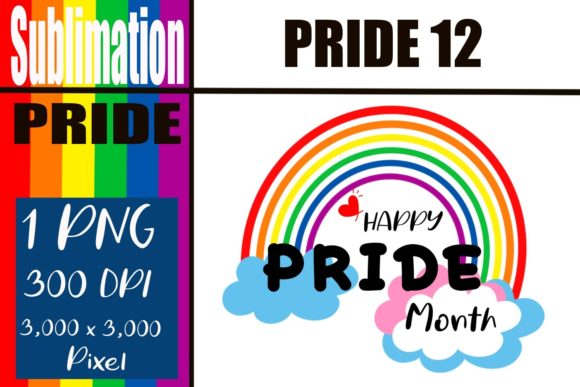
As an experienced designer who has stitched thousands of custom pieces, I approach every new digital asset with a mix of excitement and skepticism. Sublimation Pride 12 arrived in my inbox as part of a collection labeled under Illustrations and Graphics, but my mind immediately went to the hoop. The prompt is clear: this is a Pride Sublimation design featuring a heart, rainbow elements, and the phrase "Let's celebrate." While the file is technically a PNG clipart meant for sublimation printing, I have been asked frequently by fellow crafters if these designs can be adapted or used as inspiration for actual machine embroidery projects. In this review, I am evaluating Sublimation Pride 12 through the lens of real-world stitching, asking how it translates from a flat digital image to a textured, tactile finished product.
The First Impression: Mood and Visual Personality
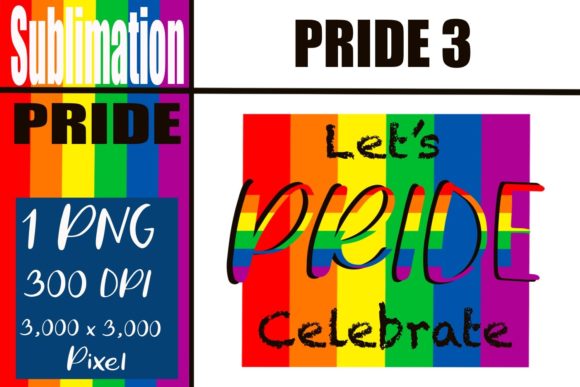
When I first opened the file, the mood was instantly uplifting. The layout centers on a vibrant heart motif surrounded by the classic rainbow spectrum, anchored by the text "Let's celebrate." It feels warm, inclusive, and celebratory. For a small business owner or Etsy seller, this visual personality is gold. It screams "community" and "joy," which are exactly the emotions you want to evoke when selling handmade goods during June or any time of year. The shape is relatively contained, which suggests it could work well as a chest logo on a sweatshirt or a focal point on a tote bag. However, the transition from a crisp digital graphic to thread requires careful consideration of detail levels.
Bringing It to Life: A Real-Life Scenario
Let me walk you through a specific scenario where I would test Sublimation Pride 12. Imagine you are preparing a batch of custom embroidered tote bags for a local pride festival or creating personalized gifts for a boutique client. You want something that stands out but doesn't look cheap. If you were to digitize this graphic for embroidery, the heart would likely need to be rendered in satin stitch to give it that glossy, raised look, while the rainbow bands might require fill stitches or a combination of running stitches to mimic the gradient effect without looking muddy.
I envision this design on a canvas tote bag made of natural cotton. The texture of the fabric would complement the softness of the thread. However, if you tried to put this same design on a stretchy baby onesie, you would need to be incredibly cautious. The density of the stitches required to replicate the rainbow colors could easily cause the thin knit fabric to pucker, ruining the drape of the garment. This is why I always advise testing the concept before committing to a production run. The design works best on stable fabrics like denim, twill, or heavy cotton blends where the structure can support the weight of the embroidery.
Performance Across Different Products
The versatility of Sublimation Pride 12 depends heavily on the end product. On a structured item like a baseball cap, the curved surface presents a challenge. While the heart shape is forgiving, the text "Let's celebrate" must be carefully spaced to avoid distortion around the brim. A patch application might actually be the safest bet here; you could embroider the design onto a stabilizer, cut it out, and then attach it to various items like aprons, pillow covers, or kitchen towels. This method allows you to control the tension perfectly and ensures the design remains legible regardless of the base material.
For holiday gifts or wedding favors, this design shines. A set of embroidered tea towels featuring this graphic adds a touch of professional flair to a homemade gift. The bright colors of the rainbow contrast beautifully against white or cream linen, making the message pop. However, if you are planning to use this for commercial embroidery projects on dark fabrics, you will need to ensure your thread selection offers high opacity. Standard polyester threads might get lost against a navy blue background, so consider using a high-density underlay or switching to a heavier weight thread to maintain visibility.
Where Caution Is Required
Not every surface is suitable for this type of design. Small hoop sizes are a major red flag. If you attempt to stitch the full "Let's celebrate" text along with the detailed heart on a tiny 4x4 hoop, the lettering may become illegible. Tiny details often get swallowed up by the needle punch, resulting in a blob rather than a defined shape. Similarly, textured fabrics like bouclé or thick fleece can hide the intricacies of the design, making it look flat and unprofessional. Stretchy fabrics, such as jersey or spandex blends, should generally be avoided unless you are using a very light, open stitch pattern, which might not capture the vibrancy intended in the original graphics.
Dense stitch areas are another concern. The rainbow gradient implies a lot of color changes and potentially dense filling. If the stitch density is too high, the fabric underneath can become stiff and uncomfortable, especially on items worn close to the skin like baby clothes or intimate apparel. Always inspect small details in your digitizing software before sending the file to the machine. If the lines are too thin, they may break during the stitching process, leading to costly rework.
Impact on Visual Appeal and Brand Trust
In the world of handmade products, the quality of the execution speaks volumes about your brand. A poorly executed Sublimation Pride 12 design can make a shop look amateurish, even if the concept is great. Conversely, a clean, well-stitched version builds immense customer trust. When buyers see a crisp, colorful heart on a tote bag, they associate that quality with the rest of your work. It elevates the perceived value of the item, allowing you to price your handmade products more competitively. Furthermore, a professional presentation helps with buyer engagement; people are more likely to share photos of well-made items on social media, giving your small shop organic exposure.
The design also serves as a powerful statement piece. Using Sublimation Pride 12 on boutique branding materials or printable mockups signals inclusivity and modernity. It shows that your creative entrepreneurs' vision aligns with current cultural values. Whether you are listing an item on Etsy or displaying it at a craft fair, the visual appeal of a properly embroidered design can be the deciding factor in a sale.
Practical Notes for the Embroidery Designer
Before you start stitching, there are several critical steps to take. First, always test the design on scrap fabric that matches your final project material. This helps you gauge thread color contrast and identify any potential puckering issues. Review the stitch density carefully; if the design looks too crowded, simplify the fill patterns to improve durability. Confirm your hoop size early on to ensure the entire design fits comfortably without cutting off edges.
Inspect the small details closely. If the text is too fine, consider simplifying the font or removing the smallest elements entirely. Test the design in black and white mockups to check the contrast balance; sometimes a design looks vibrant in color but lacks definition in grayscale. Compare how the design looks on both light and dark fabric backgrounds to ensure versatility. Use the proper stabilizer for your fabric type—cut-away stabilizers are usually best for woven items, while tear-away might suffice for lighter projects.
Finally, double-check your licensing. Since Sublimation Pride 12 is sold as a digital product, verify whether you are allowed to sell finished items created with this design. Some licenses restrict commercial use or require a specific fee for merchandise sales. Also, confirm the file formats available; if you only have a PNG, you will need to trace or digitize it yourself, which adds time and skill requirements to your workflow. By following these practical steps, you can transform a simple graphic into a stunning, market-ready embroidery project that delights your customers and strengthens your brand.