Whale Hello There. Card Design: A Real Review
As someone who has spent years evaluating machine embroidery design files for both personal hobbies and commercial ventures, I know that the difference between a cute digital image and a stitchable masterpiece lies in the details. When I first encountered Whale Hello There. Card Design, my initial reaction was one of genuine delight. It captures a specific mood—whimsical, warm, and undeniably friendly—that resonates immediately with crafters looking to add a touch of personality to their projects. However, before we jump into the hoop, we need to look past the "cute factor" and assess how this embroidery file actually performs when translated from a screen to fabric.
This review is not just about describing what the design looks like; it is about analyzing its viability for real-world applications. Whether you are an Etsy seller planning your next boutique collection or a hobbyist preparing a personalized gift, understanding the practical implications of a design is crucial. Let us dive into how Whale Hello There. Card Design holds up under the scrutiny of actual stitching conditions.
The First Impression: Mood and Visual Personality
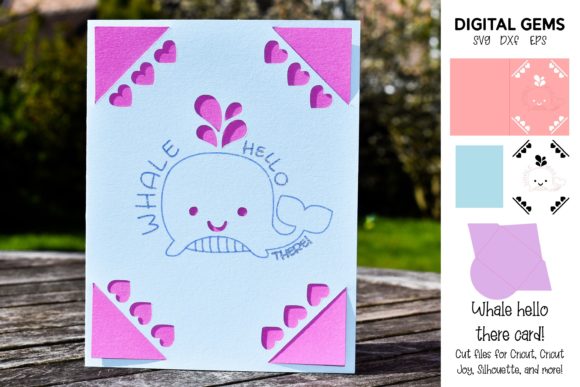
The moment you view the artwork, the charm is evident. The layout feels balanced, designed specifically to mimic the aesthetic of a greeting card but adapted for textile application. The theme revolves around a playful marine motif, which naturally evokes feelings of joy and relaxation. For a designer, this is valuable because it suggests immediate marketability. People love ocean themes, especially when they are rendered with a sense of humor.
In terms of visual personality, the design strikes a balance between simplicity and character. It avoids over-complication, which is often a pitfall in digital graphics that fail to translate well to thread. The lines appear clean, suggesting that the stitch density will be manageable rather than overwhelming. This is a critical observation because high-density designs can cause puckering on lighter fabrics, while low-density designs might look sparse on heavier materials. Whale Hello There. Card Design seems to aim for that sweet spot where the imagery remains distinct without requiring excessive layers of thread.
Real-World Application: From Screen to Stitch
To truly understand the potential of this design, imagine a scenario: You are preparing for the upcoming holiday season and want to create a line of custom embroidered tote bags for a local craft fair. You have a stack of canvas totes ready, and you need a design that appeals to a wide audience, from children to adults. This is where Whale Hello There. Card Design shines.
On a sturdy canvas tote bag, the design would likely stand out beautifully. The playful nature of the whale fits perfectly with the casual, utilitarian vibe of a tote. Unlike a complex floral arrangement that might get lost in the weave of heavy canvas, this design's bold shapes would hold their integrity. Furthermore, the text element—"Whale Hello There"—adds a conversational hook that customers love. It turns a simple bag into a statement piece, increasing the perceived value of your handmade product.
But let us consider other avenues. Imagine using this as a baby embroidery project for a onesie or a soft cotton bib. The gentle curves of the whale would work wonderfully on baby items, provided the scale is adjusted correctly. Parents are always looking for unique, non-generic gifts, and a whimsical whale design offers exactly that. It could also serve as a charming accent on a nursery pillow cover or a kitchen towel, adding a splash of color to a home environment.
For small business owners selling custom apparel, this design is versatile enough to be placed on sweatshirts, hoodies, or even denim jackets. The "card" aspect of the design implies a rectangular composition, which works well on the front chest area of a garment or centered on the back. It is the kind of design that invites interaction; people will stop to read the pun, making it excellent for brand visibility at events or markets.
Navigating Challenges: Where Caution is Required
While the potential is high, no design is universally perfect. As an experienced reviewer, I must point out areas where Whale Hello There. Card Design requires careful consideration. One of the primary concerns is the size of the elements relative to the available space. If you attempt to use this design on a very small hoop size, such as for a cap brim or a small patch, the fine details might become indistinguishable. Satin stitches used for outlines or text can blur together if the spacing is too tight, resulting in a muddy appearance.
Fabric texture plays a significant role as well. On highly textured fabrics like bouclé or thick chenille, the design may not lay flat, causing the thread to skip or the image to distort. Similarly, on stretchy fabrics like jersey knit, the tension of the stitches can cause the garment to pucker unless a high-quality stabilizer is used. If you plan to use this for embroidered patches or items that require frequent washing, you must ensure the stitch density is sufficient to prevent fraying over time.
Another limitation to keep in mind is the background color. While the design is likely optimized for light backgrounds, applying it to dark fabric without proper underlay or contrasting thread colors can result in poor definition. The "card" aesthetic relies on clarity, and if the contrast is lost, the charm of the whale is diminished. Always test the design on a scrap of your intended fabric before committing to a final product.
Design Notes for Professional Execution
To maximize the success of your project, there are several technical steps you should take. First and foremost, always test the embroidery project on scrap fabric. This allows you to check the thread color contrast and ensure that the hoop size accommodates the design without cutting off edges. Pay close attention to the satin stitch areas; if they look rough or uneven, you may need to adjust the machine settings or the stabilizer type.
Reviewing the stitch density is equally important. Dense fill stitches can make a design feel stiff and heavy, which might not be ideal for delicate items like baby clothes or lightweight summer tees. Conversely, too little fill can make the design look unfinished. Since the product description does not specify exact file formats or stitch counts, you must verify these details with the source before purchasing or downloading. Ensure you understand the licensing terms, especially if you intend to sell finished items made with this digital embroidery file.
When creating mockups for your Etsy listings or social media, try rendering the design in black and white first. This helps you see the structural integrity of the design without the distraction of color. Additionally, compare how it looks against both light and dark backgrounds to determine the best placement strategy. Using a proper stabilizer is non-negotiable; it ensures that the finished product maintains its shape and professional appearance.
Final Verdict: A Solid Addition to Your Toolkit
Whale Hello There. Card Design is more than just a pretty picture; it is a functional asset for anyone in the crafts and graphics space looking to expand their offerings. Its cheerful theme and clear layout make it a strong candidate for a variety of products, from tote bag designs to holiday embroidery gifts. However, success depends on your ability to adapt the design to the specific constraints of your materials and machinery.
If you approach this project with a mindset of testing and refinement, you will find that this design adds significant value to your portfolio. It speaks to a broad audience, encourages engagement, and elevates the quality of your handmade goods. Just remember to respect the limitations of the medium, choose your fabrics wisely, and always prioritize the stability of the stitch. With the right execution, Whale Hello There. Card Design can transform a simple piece of cloth into a memorable, shareable moment for your customers.