Wood Easel Display Holder Mini Stands
As a designer who spends more time than I care to admit staring at stitch density charts and debating thread color palettes, I have learned that not every digital asset translates well into physical reality. We often get caught up in the aesthetics of the vector file itself, forgetting the crucial step where pixels become thread. Today, I am putting Wood Easel Display Holder Mini Stands under the microscope. This is not just about whether it looks cute on a screen; it is about how this design behaves when pushed through an embroidery machine, stitched onto fabric, and ultimately sold as part of a handmade product or commercial line.
The First Impression: Mood and Visual Personality
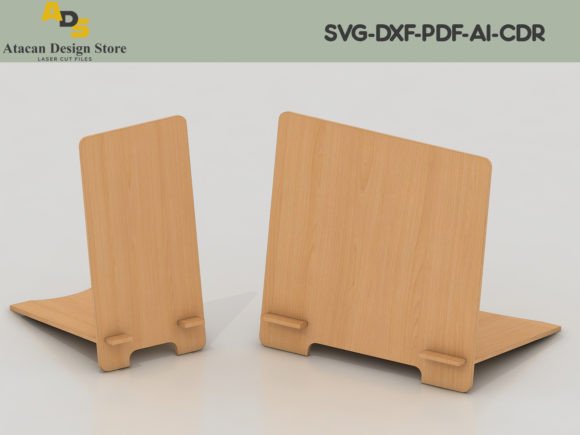
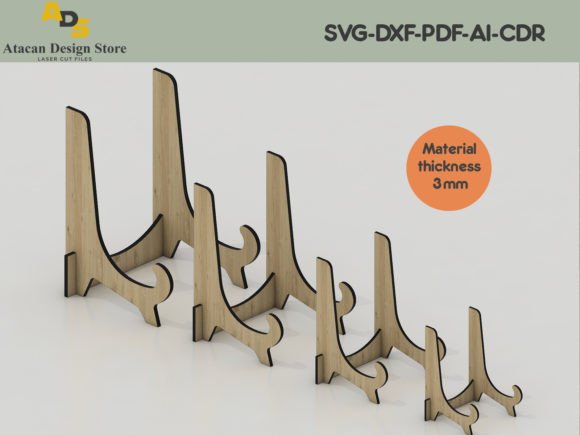
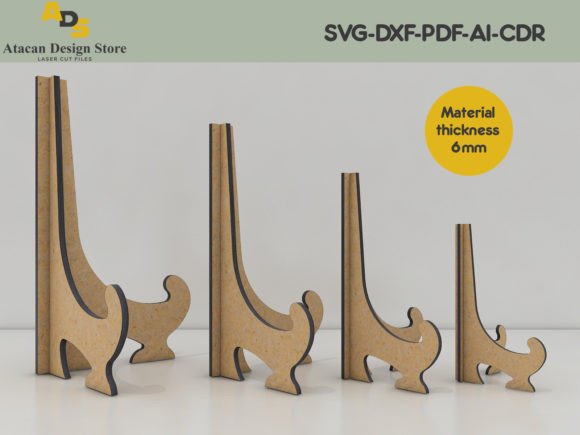
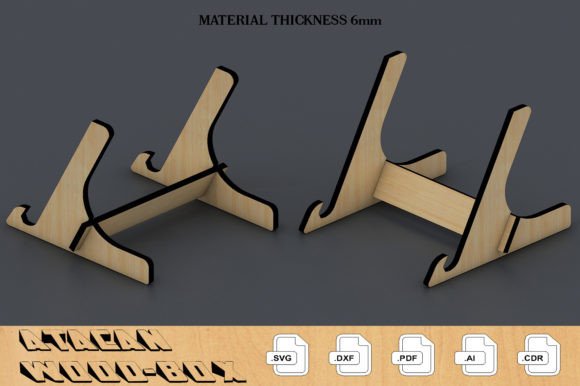
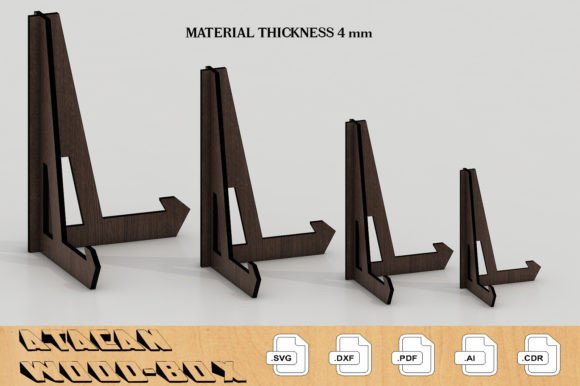
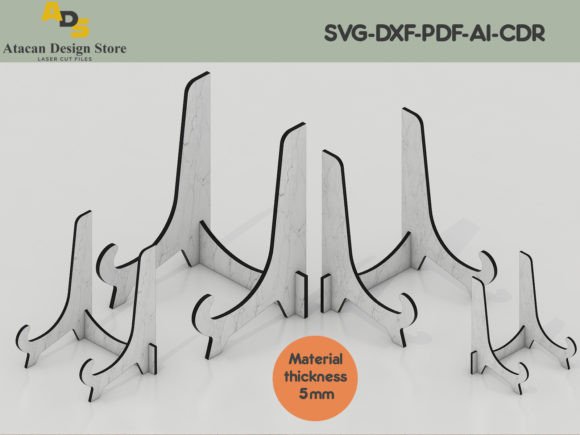
When you first load the files for Wood Easel Display Holder Mini Stands, the immediate takeaway is one of cozy, rustic charm. The shape evokes a specific nostalgia—it reminds me of the little easels we used in elementary school art class, but refined for a modern maker aesthetic. It feels grounded, warm, and inviting. For an embroidery project, this visual personality is gold. It does not scream for attention like a bold graphic logo might; instead, it whispers quality and thoughtfulness.
This mood makes it incredibly versatile. It naturally belongs in projects that prioritize comfort and homey vibes. Whether you are designing for a nursery, a boutique coffee shop, or a personal gift for a teacher, the easel motif carries a weight of sincerity. It suggests creativity, learning, and display. As a reviewer, I appreciate designs that come with built-in context. You do not have to work hard to explain why this design fits on a tote bag or a kitchen towel; the imagery does the heavy lifting for you.
Real-World Application: From Screen to Stitch
Let’s talk about real use cases. I recently imagined using this design for a custom embroidered patch intended for a denim jacket. The concept was to create a small, centered emblem that featured the easel holding a tiny floral arrangement. In my mind’s eye, the Wood Easel Display Holder Mini Stands design would anchor the piece beautifully. However, moving from concept to execution requires careful planning.
Consider the scenario of creating a set of holiday gifts. You might want to embroider these mini stands onto linen tea towels to give alongside homemade jams. The clean lines of the easel structure provide a nice contrast to the organic texture of linen. But here is the catch: if the design includes too many fine details, such as intricate flowers inside the easel frame, you risk losing definition during the stitching process. I found myself thinking about how the negative space works. If the design relies on open areas to define the legs of the easel, you need to ensure your stabilizer is robust enough to prevent any shifting that could blur those crisp edges.
Another strong candidate for this design is a baby item, perhaps a muslin blanket or a onesie. The soft, rounded aspects of the easel shape are gentle and appropriate for infant wear. However, when working with baby clothes, safety and durability are paramount. You cannot have loose threads or bulky stitches that might irritate sensitive skin. This is where reviewing the actual stitch types becomes critical. Does the design use large satin stitches for the outline? Satin stitches can sometimes feel stiff. A combination of fill stitches and running stitches might offer a softer hand feel, which is preferable for apparel that will be washed frequently.
Where Caution Is Required
No design is perfect for every situation, and Wood Easel Display Holder Mini Stands is no exception. There are specific scenarios where this design might struggle, and recognizing these pitfalls is what separates a pro from a hobbyist.
- Small Hoop Sizes: If you are trying to fit this design into a 4x4 hoop, pay close attention to the scale. Tiny details can disappear entirely if the design is scaled down too much. The legs of the easel might merge together, turning into a muddy blob rather than distinct structural elements. Always test the scaling before committing to production.
- Textured Fabrics: While linen is great, heavier textures like bouclé or thick fleece can swallow up fine embroidery details. The contrast between the fabric pile and the thread may reduce the clarity of the easel shape. Stick to smoother fabrics like cotton, canvas, or jersey for the best results.
- Dense Stitch Areas: If the design has dense clusters of thread, especially in corners or small intersections, you risk puckering. Puckering is the enemy of professional-looking embroidery. It pulls the fabric out of shape and can make the final product look cheap. Review the stitch density map if available, or simply preview the design in your software to identify hotspots.
- Curved Surfaces: Attempting to embroider this flat, geometric shape onto a curved surface like a baseball cap can be challenging. The perspective distortion might make the easel look skewed unless you are highly skilled in cap embroidery techniques. For beginners, flat surfaces like tote bags, aprons, and pillow covers are much safer bets.
Visual Appeal and Brand Consistency
From a branding perspective, Wood Easel Display Holder Mini Stands offers a consistent visual language that can tie a collection together. Imagine an Etsy seller offering a bundle: a printed tote bag featuring the same easel graphic, paired with an embroidered patch version of the design. The cohesion between the print and the embroidery creates a premium feel. Customers trust brands that pay attention to detail across all touchpoints.
The design also lends itself well to personalization. You could easily swap out the "canvas" area of the easel for names, dates, or small monograms. This adaptability increases the perceived value of the finished product. A plain easel is charming; an easel holding the name of a new graduate or a wedding date becomes a keepsake. This transformation from generic decor to personalized gift is where the real profit margin lies for small business owners.
Practical Designer Notes for Success
Before you hit the start button on your machine, follow these practical steps to ensure your Wood Easel Display Holder Mini Stands project succeeds:
- Test on Scrap Fabric: Never go straight to your final garment. Use a scrap of the exact fabric you plan to use. This helps you see how the thread interacts with the material and allows you to adjust tension if needed.
- Check Thread Color Contrast: The easel shape relies on clear definition. Ensure your thread color contrasts sufficiently with your fabric. On dark fabrics, light threads pop, but you may need a cut-away stabilizer to support the weight of the thread. On light fabrics, dark threads provide sharp outlines.
- Inspect Small Details: Zoom in on the digital file. Are there any tiny triangles or thin lines that might break during stitching? If so, consider simplifying the design or increasing the minimum stitch length in your software settings.
- Use Proper Stabilizer: For woven fabrics, a tear-away stabilizer might suffice. For knits or stretchy materials, a cut-away stabilizer is essential to prevent distortion over time. The weight of the embroidery should not pull the fabric out of alignment.
- Confirm Licensing: If you plan to sell the finished items, double-check the license terms provided by the creator. Some digital files are for personal use only. Commercial licenses allow you to sell a limited number of finished products, while unlimited licenses offer more freedom. Protect your business by staying compliant.
Final Thoughts on Value and Engagement
In the crowded market of handmade goods, standing out requires more than just a pretty picture. It requires thoughtful execution. Wood Easel Display Holder Mini Stands provides a solid foundation for creating engaging, high-quality embroidery projects. It appeals to customers who value craftsmanship and sentimentality. By paying attention to fabric choice, stabilizer selection, and stitch quality, you can elevate this simple design into a standout product.
Whether you are an experienced embroiderer looking to expand your catalog or a beginner eager to create your first meaningful gift, this design offers a manageable yet rewarding challenge. It teaches you about balance, detail, and the importance of testing. When done right, the result is not just an embroidered easel; it is a testament to your skill as a maker and a delight for the recipient. Keep your eyes on the details, trust your instincts, and let the design guide your creative process.