Card Display: Laser Cutting Boxes for Digital Sellers
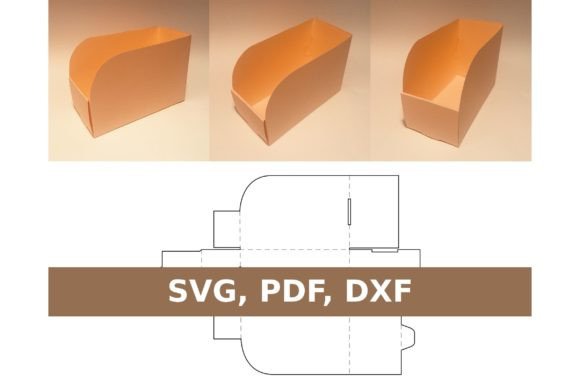
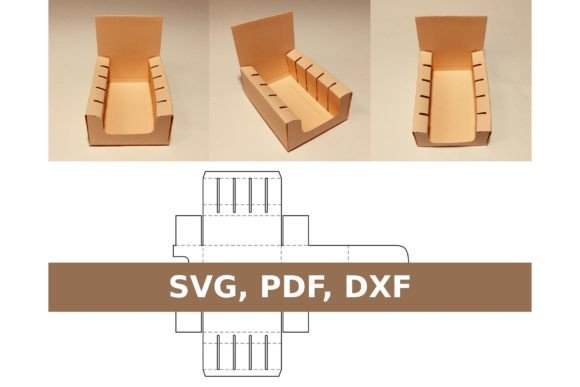
When I evaluate a new graphic design asset for my digital product shop, I am looking for more than just a pretty image. I need to know if it translates into sellable products, whether it fits into existing collections, and if it offers enough versatility to justify the marketing effort. Recently, I reviewed a file titled Card Display, which is described as a paper box where you keep your cards in order. While the description is brief, the implications for a small business branding strategy are significant.
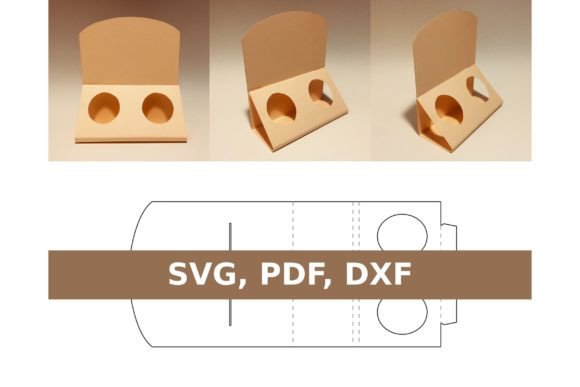
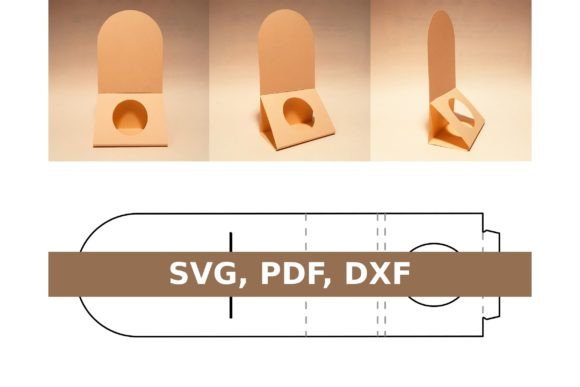
This review breaks down how this specific design asset can be leveraged by Etsy sellers, print-on-demand creators, and crafters who rely on tools like Cricut or Silhouette. The template is compatible with Silhouette and Cricut and can be printed on any paper size. The package contains the following – dxf fil, which opens up several avenues for both digital downloads and physical merchandise.
First Impressions and Niche Appeal
The moment I opened the file, the visual personality of the Card Display stood out. It feels structured yet approachable. Depending on the final color palette chosen by the end-user, this asset can lean towards being elegant, modern, or playful. For a seller preparing a new collection, this versatility is key. It does not scream "novelty" but rather suggests a premium, handmade quality that appeals to customers looking for organization and aesthetic coherence.
In terms of mood, the design invites a sense of order and care. This resonates deeply with audiences interested in planner accessories, wedding stationery, and boutique gift packaging. If you are building a brand identity around minimalism or rustic charm, this box structure provides a solid foundation. It allows you to create a cohesive look across multiple products without needing custom 3D modeling skills.
Real-World Product Applications
So, how do we turn this digital product into revenue? Here is how I would test this asset across different selling channels before publishing a listing.
- SVG Products and Cricut Projects: Since the file includes DXF compatibility, it is perfect for creating cut files. You can offer this as a standalone SVG download for crafters who want to build their own card holders. Pairing this with a commercial license allows buyers to use the design in their own small businesses.
- Printable Wall Art and Planners: Use the flat layout of the box to create printable inserts. These can be sold as part of a larger design bundle for bullet journal enthusiasts who love interactive elements.
- Mug Designs and T-Shirt Graphics: While the object is a box, the concept of "displaying cards" can be abstracted into graphic text layouts. Imagine a t-shirt design that features a stylized outline of this display with typography like "Keep Your Memories Safe." This bridges the gap between a literal object and a wearable t-shirt design.
- Greeting Cards and Invitations: This is perhaps the strongest use case. Create a set of invitation templates where the card itself folds into this display. Sell these as Canva templates for brides or event planners who want unique, functional stationery.
- Sublimation Design: Print the full-color version of the box onto mugs or tumblers. A mug that looks like a stack of organized cards is a quirky, conversation-starting item for office workers or teachers.
Enhancing Product Presentation and Mockups
In the world of online selling, visual hierarchy and thumbnail appeal are everything. A flat image of a line drawing rarely converts well. However, using the Card Display to create realistic product mockup previews can significantly boost click-through potential.
I recommend creating a series of listing images that show the box in various contexts. Place it on a wooden desk with dried flowers, hang it on a nursery wall, or hold it in hands during a seasonal sale. These visuals tell a story of utility and beauty. When customers see how the printable design integrates into a real lifestyle, the perceived value increases. This is crucial for creative marketplace listings where competition is high.
Furthermore, this asset supports brand consistency. If your shop focuses on pastel tones and soft aesthetics, ensure your mockups reflect that. If you target a bold, modern audience, use high-contrast colors. The Card Display acts as a neutral vessel that adapts to your specific visual storytelling strategy.
Where It Works Best
This design shines in large product previews where details can be appreciated. It is ideal for themed bundles, such as a "Wedding Stationery Kit" or a "Baby Shower Organizer Pack." It also works exceptionally well as a decorative layout element in blog graphics or social media promos. When used as a pakaging design element for your own digital products, it adds a layer of professionalism that signals quality to the buyer.
Areas of Caution
However, no asset is perfect for every scenario. There are situations where the Card Display might fail to deliver results:
- Tiny Sticker Details: If you plan to scale this down to a 1-inch sticker, the structural lines may become indistinguishable. Test the resolution carefully.
- Crowded Thumbnails: On mobile devices, complex 3D-like structures can look cluttered in small thumbnails. Simplify the background or use a clean white space focus.
- Low-Resolution Print Products: Ensure your source files are vector-based or high-DPI raster images. Blurry edges on a cutting file will ruin the user experience for Cricut users.
- Dark Backgrounds: Be mindful of contrast. If the box is light-colored, it may disappear against dark backgrounds in certain lighting conditions.
Practical Seller Notes for Testing
Before you upload this to Creative Fabrica, Etsy, or Shopify, follow this checklist to ensure your digital download is professional and ready for purchase.
- Test Real Mockups: Do not rely solely on digital renders. Print the DXF file using cardstock and assemble it physically. Check the stability and ease of assembly. This hands-on testing helps you write accurate product descriptions.
- Preview Marketplace Thumbnails: Crop your images to standard aspect ratios (e.g., 4:5 for Etsy) to see how the composition holds up. Does the focal point remain clear?
- Check Transparency and Resolution: Verify PNG transparency if you are offering layered files. Inspect SVG cut quality to ensure there are no overlapping paths that confuse cutting machines.
- Font Pairing: When creating accompanying text for your designs, pair the structural nature of the box with complementary typography. A serif font adds elegance, while a sans serif font keeps it modern. Avoid overly decorative fonts that compete with the geometry of the box.
- Organize Files Clearly: Customers appreciate clarity. Provide separate folders for DXF, SVG, PDF, and PNG files. Include a readme file with instructions on how to open and cut the files.
- Confirm Commercial Licensing: Always verify the commercial license terms. Can you sell the finished physical product? Can you sell the digital file? Understanding these rights protects your handmade business from legal issues.
Ultimately, the Card Display is more than just a box; it is a tool for organization and presentation. By integrating it into your range of design assets, you cater to customers who value both function and form. Whether used for social media graphics, sticker design, or direct-to-garment prints, this asset has the potential to enhance your online product collection significantly. The key is to test thoroughly, present beautifully, and market strategically.