Display Box: Laser Cutting Boxes for Editorial Design
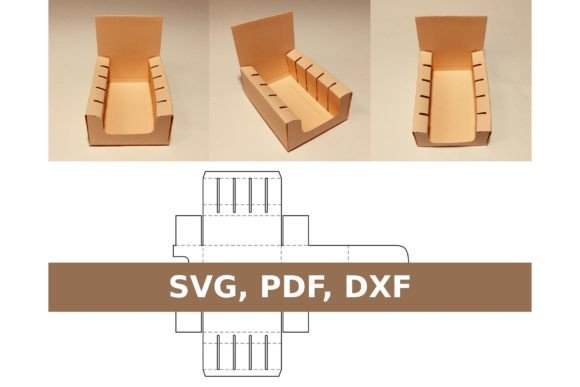
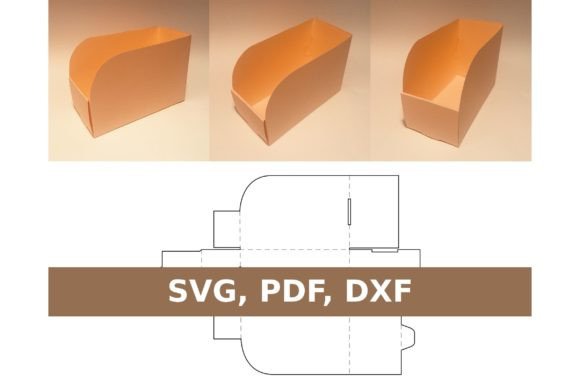
As a digital publisher who spends hours tweaking pixel-perfect layouts and obsessing over click-through rates, I am always on the hunt for graphic design assets that do more than just fill space. They need to tell a story, build trust, and guide the reader’s eye. Recently, I evaluated a unique asset called Display Box, which is described as a paper box template great for keeping work desk files organized. While its physical utility as a craft item is clear—compatible with Silhouette and Cricut machines and printable on any paper size—I wanted to explore how this specific visual style translates into the digital realm of content marketing, affiliate marketing, and editorial design.
In an era where visual hierarchy dictates whether a user stays or bounces, understanding the mood of your design assets is crucial. This review breaks down how Display Box can be integrated into your website header, social media graphics, and downloadable resources to elevate your brand identity.
The First Impression: Mood and Editorial Tone
When you first encounter the Display Box aesthetic, it immediately evokes a sense of tactile warmth and structured creativity. Unlike flat vector icons or sterile corporate photography, a paper box template suggests craftsmanship, organization, and thoughtful curation. For bloggers and online educators, this creates an editorial mood that feels both modern design-forward and approachable.
This visual language works exceptionally well for niches that value transparency, DIY culture, home organization, or creative entrepreneurship. It signals to the reader that the content within is well-organized and valuable, much like the files kept neatly inside the box itself. Whether you are creating a lead magnet for small business branding or a digital guide for hobbyists, the Display Box aesthetic adds a layer of sophistication that pure text cannot achieve. It bridges the gap between physical reality and digital consumption, making your content marketing efforts feel more tangible and trustworthy.
Real-World Publishing Applications
Integrating Display Box into your workflow requires thinking beyond simple decoration. Here is how this asset can function across various touchpoints in your publishing ecosystem:
- Pinterest Pins and Social Media Graphics: The structured nature of a box provides a natural frame for text overlays. When designing a Pinterest pin, using the box shape as a background element can create a strong focal point, drawing the eye to your headline. This improves click-through potential by offering a clean, uncluttered area for copy.
- Digital Guides and Lead Magnets: If you are selling a digital product or offering a freebie, the cover art sets expectations. A Display Box-inspired layout suggests that the contents of your PDF are organized, comprehensive, and ready to use. It transforms a simple PDF into a perceived "product" rather than just a document.
- Website Headers and Category Visuals: Use the asset to define categories on your blog. For example, if you have a section dedicated to "Organization Tips," using the box motif consistently helps with category recognition. It strengthens your visual identity by creating a recurring theme that readers subconsciously associate with quality.
- Newsletter Banners: In an inbox full of noise, a banner featuring the crisp lines of a laser-cut box stands out. It feels fresh and artistic, encouraging open rates from subscribers who appreciate aesthetic consistency.
- Canva Templates for Affiliates: If you provide templates to your audience, including a Display Box variant allows them to create cohesive affiliate content. This supports community building and ensures that user-generated content aligns with your brand’s visual standards.
Impact on Content Performance and Reader Trust
Why does this matter for your bottom line? Stronger first impressions lead to longer dwell times. When a page looks professionally designed, readers assume the information inside is equally reliable. By using high-quality editorial design elements like the Display Box, you signal attention to detail.
Furthermore, consistent branding across all platforms—from your blog featured images to your Instagram stories—builds authority. When a visitor sees the same structural motifs on your website header and your email newsletter, it reinforces your brand identity. This consistency reduces cognitive load for the reader, making their journey through your content smoother and more enjoyable. In the context of affiliate marketing, where trust is paramount, a polished visual presentation can subtly influence purchasing decisions.
Strategic Placement: Where Display Box Shines
To maximize the effectiveness of this asset, consider these specific placements:
- Hero Images: Use the box as a subtle background texture behind your main value proposition. It adds depth without overwhelming the primary message.
- Article Thumbnails: Create a series of thumbnails that feature the box outline. This creates a recognizable grid on your homepage, improving navigation and aesthetic cohesion.
- Downloadable Printables: Since the original asset is a print-ready template, leveraging its aesthetic for digital downloads creates a seamless omnichannel experience. You can offer a physical version (via Silhouette/Cricut) and a digital version (as a worksheet), linking the two audiences.
- Media Kits: For influencers and creators pitching sponsorships, a media kit designed with these structural elements demonstrates professionalism and organizational skills to potential partners.
Cautions and Limitations
While versatile, Display Box is not a universal solution. There are contexts where this asset should be used carefully:
- Small Mobile Thumbnails: On very small screens, intricate details of a box template may become blurry or indistinguishable. Simplify the design for mobile views to ensure clarity.
- Text-Heavy Blog Images: Avoid placing too much text directly on top of complex parts of the box design. Maintain a clear visual hierarchy by keeping text areas clean.
- Serious Professional Niches: For legal, medical, or highly corporate content, the playful or craft-oriented nature of a paper box template might undermine the seriousness of the topic. In these cases, opt for more minimal, abstract geometric shapes instead.
- Low-Contrast Backgrounds: Ensure the box stands out against your site’s background color. Poor contrast will make the design blend in, failing to capture attention.
Practical Publisher Notes for Implementation
Before deploying Display Box across your digital properties, follow these technical best practices to ensure optimal performance:
Responsive Testing: Always preview your designs on desktop and mobile screens. Check how the asset scales when resized for different breakpoints. A design that looks balanced on a 1920px monitor may look cramped on a 375px phone screen.
Typography Pairing: Experiment with font pairings to find the right balance. Try placing headlines next to serif fonts for a classic editorial look, sans-serif fonts for a modern clean aesthetic, or script/handwritten fonts for a personal, boutique feel. Test these combinations to see which enhances readability and mood.
File Optimization: Review file sizes for web performance. Large image files can slow down your website, negatively impacting SEO and user experience. Compress images properly using tools like TinyPNG or ImageOptim before uploading them to your CMS.
Licensing Verification: Confirm commercial licensing before using the asset on monetized websites, affiliate pages, or paid content products. Even though it is a digital download, ensuring you have the right to use it commercially protects your business from legal issues. Look for terms that allow usage in digital products and marketing materials.
Black and White Preview: Place the design beside black and white versions of your logo or other monochrome elements to check how it holds up without color. This ensures the design relies on structure and form, not just color, for its impact.
By treating Display Box not just as a craft template but as a versatile creative design element, you can significantly enhance the editorial quality of your online presence. It offers a unique way to communicate organization, creativity, and professionalism, helping you stand out in a crowded digital landscape. Whether you are updating your website header, creating new social media graphics, or designing a new digital guide, this asset provides a solid foundation for building a cohesive and compelling brand narrative.